Last month everyone’s social media page was plastered with first day of school pictures. Parents posted pictures of children of all ages. While the younger pre-school and elementary kiddos looked excited and smiled brightly, the older siblings going into middle school and highschool seemed to be over it. It is obviously uncool to pose for your parents’ Facebook pages when you are that “grown”.
Years ago, like most parents, I had mixed emotions about the first day of school especially for my little ones. After years of being fully dependent on me and my husband, they left on a school bus to be entrusted in the hands of teachers, aides, and principals who were actually strangers to us all. I worried if they would have friends to eat with at lunch. I hoped they knew to raise their hands if they had to go potty. I was nervous they might be scared and need me. But honestly, it did not get better with middle school or high school children. I still worried about them having friends to eat with at lunch. I hoped they would meet friends and feel accepted. Like all parents, I just wanted the best experiences possible for my kids.
I cannot imagine the fears of a parent of a child with disabilities? What if the needs of their child don’t get met? What if their child cannot advocate for himself/herself? What if their child does not have anyone to sit with at lunch? What if their child does not feel accepted by his/her peers? Their fears can be compounded because of their child’s special needs.
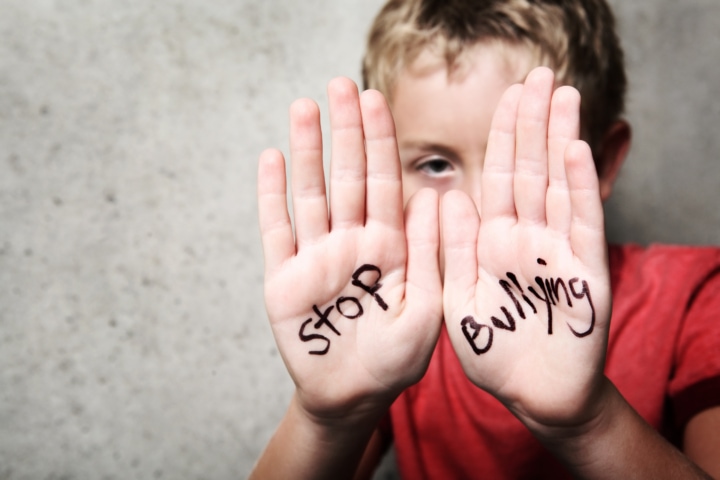
Unfortunately, parents of a child with disabilities do have more reasons to worry. Bullying at school, on the school bus, or online have become huge problems for students of all ages but the problem is even worse for individuals with disabilities.The March 15 -Vol 9 issue of the specialneedsalliance.org reported, “…children with special needs are both likely to be bullied or harassed and also more likely to be seriously harmed by it. In addition, children with special needs may be less likely to be able to seek help to stop it.” Yet, there are ways parents can help to protect their children from bullying.
Although it may seem obvious, talking to your child about school every day and watching for changes in moods, activities, and friends can give insight to changes related to bullying. Also, sharing any special needs with your child’s teachers and being familiar with the school’s bullying guidelines are important. Monitoring your child’s phone and social media seem almost mandatory these days. A large percentage of bullying starts, grows, and continues online where bullies have 24/7 contact with your child. Finally, individuals with disabilities should discuss a 504 Plan with the special-ed department of their school. The U.S.Department of Education states, “Section 504 requires recipients to provide to students with disabilities appropriate educational services designed to meet the individual needs of such students to the same extent as the needs of students without disabilities are met(https://www2.ed.gov).” A 504 plan can’t stop bullying but it can help protect your child by making sure he/she receives services needed to be more successful.
At CORE we want all individuals with disabilities to be successful in all aspects of their lives. For more information on bullying and individuals with disabilities and/or a 504 plan follow the links below: