While recently scrolling through Meta, I read a post discussing handicap parking. The writer was frustrated because she and her husband needed a handicap spot, yet she noticed vehicles without disability placards or license plates parked in designated spaces. It may seem like a minor infraction to some, but for those who struggle to walk even short distances or who need extra room to unload a wheelchair, walker, or crutches, it can be a game changer.
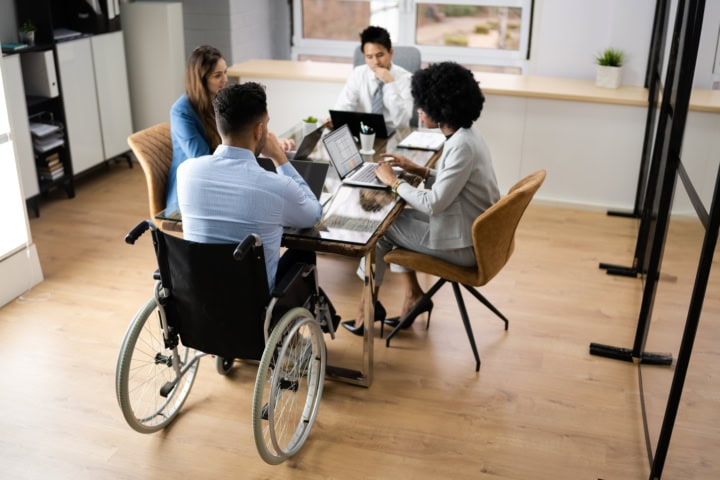
Of course, I knew better than to park in a handicap space, but I never fully appreciated how the ADA has improved life for all of us. Over the years, many accommodations originally designed for people with disabilities have benefited a much wider population. For example, shopping centers have added close-up parking spaces for expectant mothers, modeled after the convenience and accessibility of disability parking. Sidewalk curb cuts and ramps, required to make communities accessible for wheelchair users, also help older adults who are at risk of falling, parents pushing strollers, travelers pulling luggage, and children riding bicycles. Even the automatic door openers my grandchildren love to push at hospitals, hotels, and other public places help not only people with disabilities, but also those carrying packages, holding babies, or making deliveries.These accommodations remind us that accessibility is rarely about helping just one group of people.
At the same time, while I see the progress that has been made, I still see areas where improvements are needed. Airlines are near the top of that list. Airplane aisles are often too narrow for people using walkers or crutches. Seating can be challenging for passengers with mobility limitations or other conditions, and overhead compartments can be difficult or impossible for many travelers to reach. Air travel remains one of the least accessible experiences for many individuals with disabilities.
The ADA has transformed many aspects of everyday life, but accessibility is not a finished project. It is an ongoing commitment to ensuring everyone can participate fully in their communities. The next time you see a handicap parking space, a curb ramp, or an automatic door, consider that these features are not just for individuals with disabilities but are practical accommodations that make life better for all of us.